It often starts with what we can see.
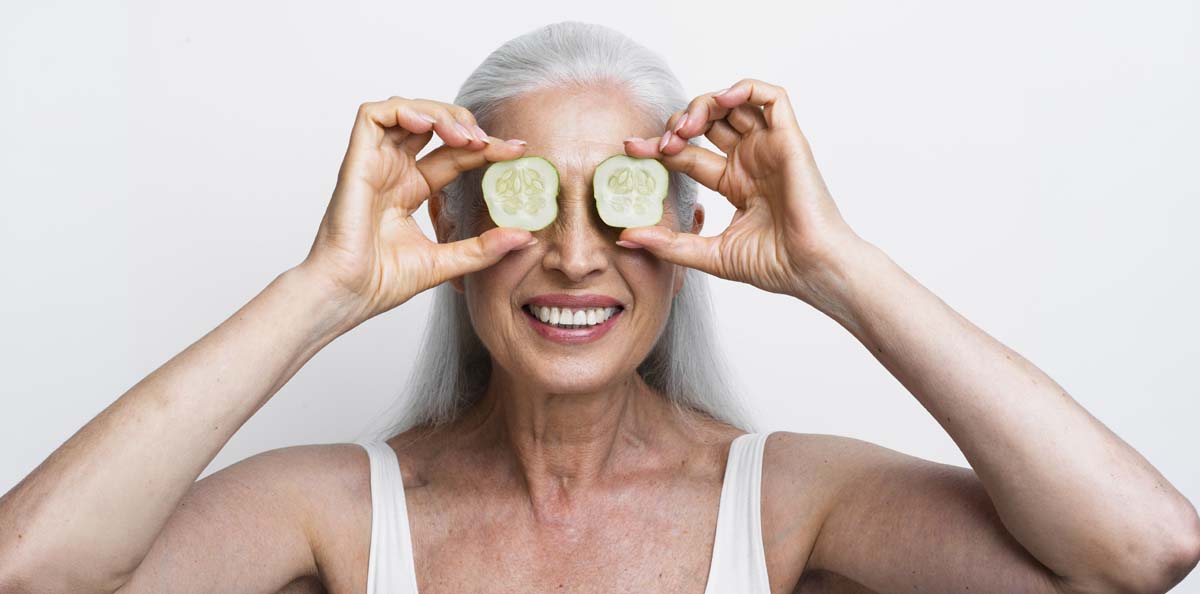
The skin on our hands looks thinner. Our face loses some of the firmness it once had. Fine lines deepen, and skin can begin to feel drier or less resilient.
But here is the interesting part: skin is only the most visible place we notice collagen changing.
Collagen is the most abundant structural protein in the human body. Think of it as part of the framework that gives strength and structure not only to skin, but also to bones, cartilage, tendons and ligaments.
That makes collagen a very different conversation at 60 or 70 than it was at 30.
When we were younger, most of us heard about collagen in the context of beauty creams. Yet ageing skin undergoes real structural changes.
The cells responsible for making collagen become less active, collagen synthesis declines, and skin gradually loses some of its thickness, elasticity and hydration.
And while the mirror may be where we notice ageing first, collagen-rich connective tissues have been working hard for decades.
Your tendons rely heavily on collagen for strength. Bone contains a collagen framework as part of its structure. Cartilage also contains collagen designed to withstand pressure.
That does not mean taking collagen turns back the clock or rebuilds every ageing tissue. But it does explain why collagen becomes increasingly interesting as we get older, rather than less relevant.
There is also growing clinical research around oral hydrolysed collagen. Reviews of randomised trials have found improvements in measures such as skin hydration and elasticity, although researchers still call for better and larger studies. Perhaps the surprising question is not: “Am I too old to start collagen?”
It is: “Why did nobody explain what collagen was doing for us when we were younger?”
If you have always thought collagen was simply a beauty trend for younger women, it may be time to look at it differently.