
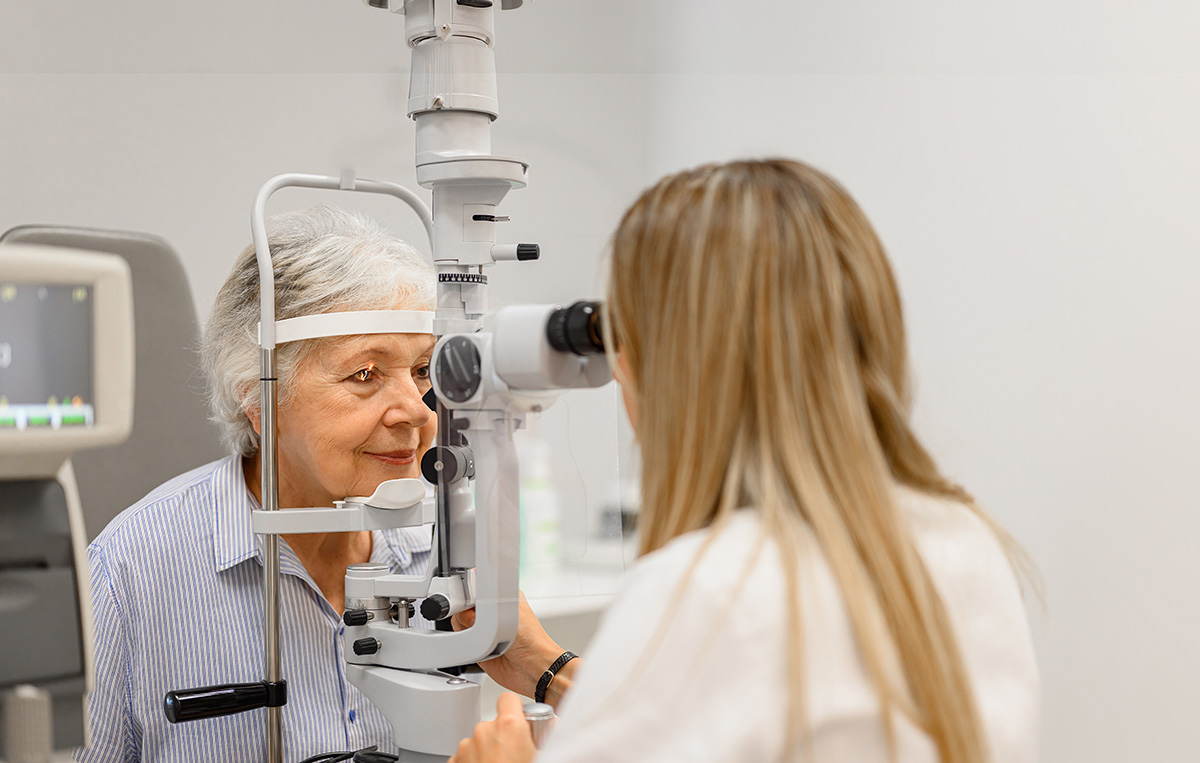
Losing one’s sight or hearing is unthinkable to most people. They know that vision and hearing loss can affect independence, communication and wellbeing yet many don’t make regular testing a health priority.
Reduced sensory input makes everyday tasks more difficult, increases the risk of falls and injuries, and leads to greater reliance on support from others. Therefore, maintaining sight and hearing should be a priority.
Ophthalmology consultant at Otago University, Dr Francesc March de Ribot, says difficulties seeing and hearing also limit social interaction, often resulting in isolation, low mood, and faster cognitive decline.
“When both senses are affected, these problems intensify, making communication and orientation even harder.”
A recent publication on the epidemiology of vision and hearing loss among older adults in New Zealand – using data from more than 48,000 interRAI assessments – provides one of the most comprehensive analyses of residential care settings.
“Around one in 10 older adults experienced moderate or worse vision impairment, and two in 10 had hearing loss,” Dr March de Ribot says. “At the same time, a smaller but significant proportion were living with dual sensory loss affecting both vision and hearing.
“Although most individuals still had adequate or minimally reduced vision, the affected group was substantial and the consequences, wide-ranging.”
Of the 48,038 assessments, vision impairment was identified in 10% of patients, but if addressed in time, 20% of early challenges could see improved outcomes.
“In hearing, the situation was worse,” Dr March de Ribot says. “Access to routine eye assessments declined from 55% among those at home to 32% among residents in care; this should be 100% as per international recommendations.
“Access to sensory assessments and the use of corrective aids were consistently lower in aged residential care than in home-based settings.”
The study showed that regular vision and hearing examinations were underused, particularly among residents in long-term care facilities, where only about one-third had received a recent eye check.
Even in community settings, nearly half of older people had not undergone an eye examination in the recommended time frame.
Dr March de Ribot said the use of visual aids mirrored that pattern. While many older adults owned glasses, not all used them consistently or had them updated.
The study also noted a particularly low uptake of hearing aids.
Findings also reinforced that vision impairment in older age was not an unavoidable consequence of ageing.
“Many underlying causes, such as cataracts, can be effectively treated, while conditions such as macular degeneration and glaucoma benefit from early detection which slows disease progression.
“Failure to diagnose or manage visual impairment can contribute to vision loss.”
In conclusion, the study found that overall, sensory impairment has wide-reaching effects on health and quality of life, highlighting the importance of regular checks, early treatment, and proper use of visual or hearing aids.
Note: Full article can be viewed at: www.researchgate.net/publication/397582383_Epidemiology_of_Vision_and_Hearing_Impairment_in_Older_Community_Dwelling_Adults_in_New_Zealand