
One million Kiwis will soon be over 65. Hato Hone St John asks: How do we help them age safely at home?
Seven out of 10 New Zealanders say they want to remain in their current homes for the rest of their lives – and would move only if their health declined severely or a partner died.
These people represent a significant proportion of New Zealand’s population. By 2028, more than one million Kiwis will be over the age of 65, raising important questions about how they are supported to live safely and confidently in the homes they want to remain in. Those living alone are among the most vulnerable.
Ensuring the right support is in place will be key to enabling older Kiwis to keep the independence they want and deserve. New research from Hato Hone St John highlights the challenge.
More than half of the survey respondents resided alone, a seven percent increase since 2016. Women were disproportionately represented: 62 percent of older women lived alone. At the same time, 84 percent of those surveyed took medication for an ongoing condition, and one in four had experienced a fall or an unplanned hospital stay in the past 12 months.
The research, conducted in late 2025 among more than 1,300 New Zealanders (including those aged 65+ and adult children), reinforces the importance of talking things through as a family and putting practical plans in place so that people can continue living at home with confidence.
While independence is a strong priority, practical support isn’t always nearby. Only 42 percent of people with medical alarms said they had someone close by who could help in a medical emergency. Yet, nearly 60 percent of adult children believe their parents have support close at hand.
Adult children were more worried than parents. Although many older people felt confident, their families were often more anxious. Eighty six percent of adult children carry some worry, compared with 66 percent of people with medical alarms and 73 percent of non-users.
Living alone is the main reason for getting a personal medical alarm. The wearers are typically female, live in the North Island, have high social contact, and fair health. In contrast, those motivated by a medical condition are more likely to be males, aged 65–74, living with others and in poor health.
Hato Hone St John’s General Manager Telecare, Nick Coley, says the findings suggest an opportunity for more open family conversations and practical planning to bridge the gap.
“As a country, we need to shift the conversation. Families need to work together with each other and with health services,” Mr Coley says.
“Supporting older people isn’t just about emergency response, it’s about building connected communities where people can stay healthy and age well at home.”
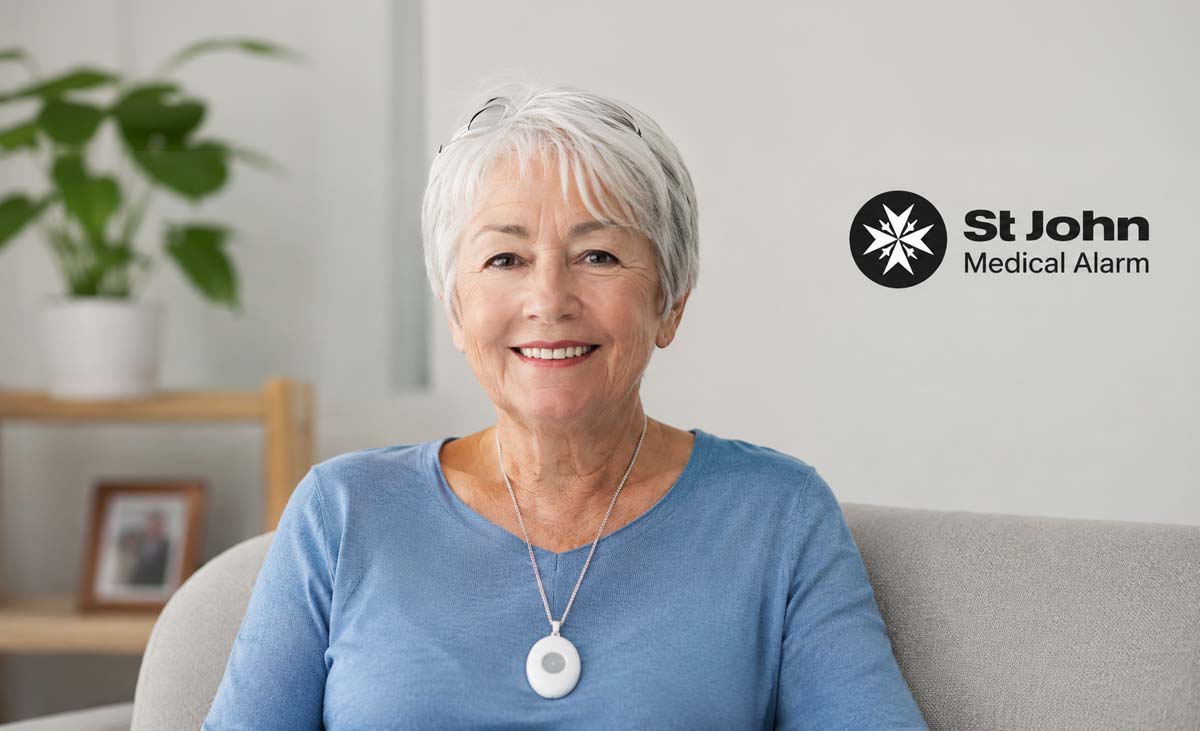
For older people who want to stay in their own homes, reassurance matters. St John Medical Alarm users strongly associate their alarms with peace of mind, greater confidence and a sense of protection.
“More than a third of users (34 percent) said they were not concerned about experiencing a medical emergency, suggesting that alarms play a key role in reducing anxiety and supporting independent living,” Mr Coley adds. “In addition, users of medical alarms are far more likely to act quickly on health warning signs. Non-users tend to only sometimes notice or act.”
Many of the people surveyed painted a picture of quiet strength and determination, were connected to their communities and proactive about their health.
For St John Medical Alarm user Betty King (84) and living alone, having reliable support proved lifesaving.
Late last year, she was sitting on a stool in her bath, which has an overhead shower. When she stood up to wash her hair, she had a frightening fall and couldn’t get back up. The shower water kept running over her, eventually turning cold.
Panicked and unsure how the situation would end, she pressed the button on her St John Medical Alarm, worn around her neck. First Responders couldn’t hear anything from Betty, as she didn’t have her hearing aid in and couldn’t respond. They phoned Betty’s daughter, Karen, and arrived promptly.
Karen was shocked at the state of her Mum – she was battered and bruised, freezing cold, and had a racing heart. Betty may have had a small blackout.
Karen says the alarm was her idea. “It gives me peace of mind. Mum lives by herself and anything can happen at any point. On the day of Mum’s accident, no one heard her screaming. It could have ended very differently if Mum hadn’t had her alarm.”
Betty tells friends who don’t have a St John Medical Alarm to get one. “Why would you be without one? We are all in our 80s. I don’t want them to be dependent on me, and I don’t want to be dependent on them.”
For many, like Betty, St John Medical Alarms are becoming part of a modern safety net, enabling independence rather than signalling vulnerability.
A medical alarm service, alongside programmes such as Caring Caller, Waka Ora Health Shuttles and Falls Prevention, is helping older people stay connected to support when needed while giving whānau reassurance that help is never far away.