
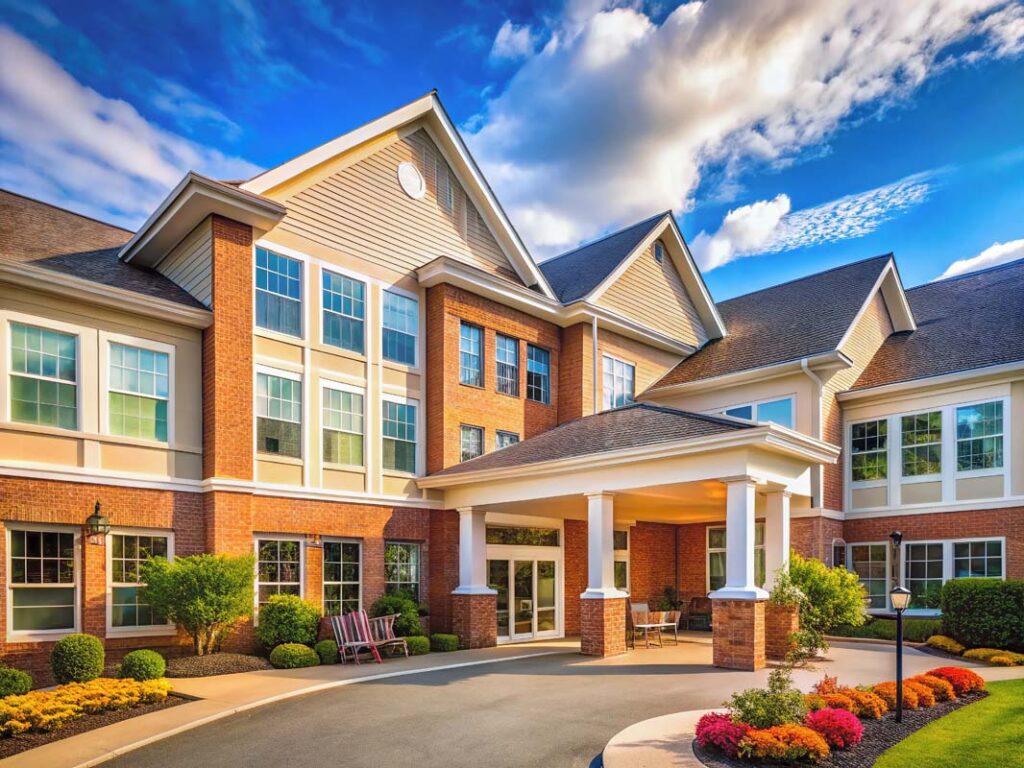
Like others, I am aware of downsides to purchasing in a retirement village especially where there is no capital gain at re-sale. Unfortunately, that can be many years after purchase when real estate prices may have risen substantially but do not benefit the license to occupy resident.
It doesn’t seem fair that residents don’t receive at least some capital gain when the property is on-sold for a great deal more than the original purchase price. And, yes, some places do offer a portion of capital gains but they are limited.
Of course, not all villages are created equal. Some have hospital care, some don’t; some are old, some are new and rules can differ.
On the other hand, residents must be realistic. Most villages offer facilities many might never afford to access in the community. Where else can you live with the likes of a bowling green, swimming pool, theatre, restaurant, bar, maybe a golf course, library, beauty facilities and gym all on site.
Of course, these need to be maintained and that money doesn’t appear out of thin air. Keep in mind, too, that joining a gym or a golf club elsewhere is also costly.
Many villages organise outings, entertainment and activities. Some also take non-driving residents, shopping – just imagine paying for taxis and shows. Furthermore, maintenance, lawns and gardens are all taken care of and help is on hand if one gets sick or needs assistance.
When seniors are well and healthy and can still manage (or pay for) property upkeep plus have money to fund their chosen lifestyle or hobbies whilst living at home, that’s fine. However, for others, village security and facilities may be the answer.
Yes, residents do pay a fee, but that all-in-one regular amount saves the worry of sourcing and dealing with service people, cleaners, health assistants, drivers and so much more.
Perhaps family members may not inherit as much as anticipated but living in one’s own home until the end may also deplete funds and leave family with expenses.
More importantly, ‘hanging out’ to save the family inheritance may also mean poor quality of life for that person and perhaps dependence on busy family members which is not always welcome.
There is no easy answer for ageing seniors. Some will live long and well in their own homes, or possibly with family; others may not have that choice.
A friend who found living in her own home burdensome, sold and bought in a village where the unit prices were moderate. Subsequently, after sale and purchase of her house she had an extra $450,000 in the bank together with other savings.
She said despite having village fees to pay, it was a relief not to think about security, maintenance, rates, and the small jobs many tradesmen don’t want to tackle. She has also formed new friendships.
She thought her one adult child and his family would do “okay” when she passed but, whatever the case, many worries had been eliminated. So, I guess there are two (or more) sides to every situation.
Naturally, such decisions should be made with eyes wide open and only after researching all the ‘ins and outs.’ Ultimately, it has to be the right decision for you. Personally, I am happy and healthy in my own home but the day may come when I think differently. Then, I would much prefer village life (if I can afford it) to the care I have seen in some rest homes.
Weighing up the options, Auckland