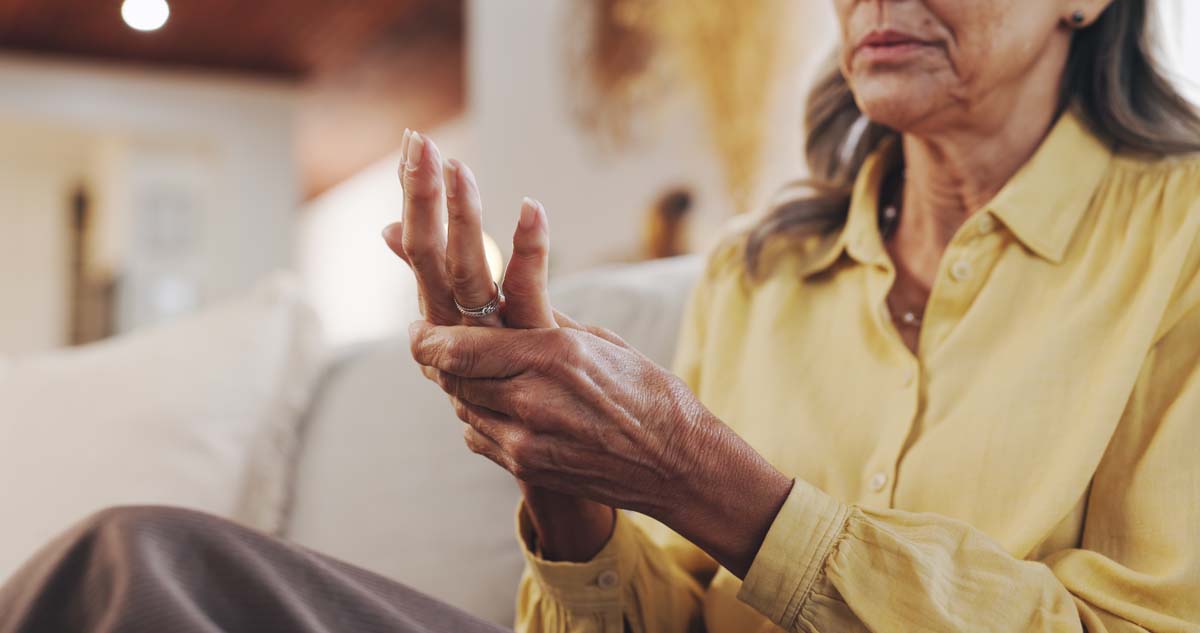
As the country heads into the cooler months, some 750,000 New Zealanders living with arthritis often notice a real shift in their symptoms.
If their joints seem to predict the weather before the weather forecast has been checked, they may not be imagining it. What’s more, according to New Zealand-based mobility equipment company, Anvia, there is solid research behind why this happens.
Why cold weather makes arthritis worse
Dropping barometric pressure is the primary driver. As low-pressure fronts sweep in, joint tissues expand slightly, stimulating pain receptors. A study of 200 knee osteoarthritis patients featured in The American Journal of Medicine confirmed both pressure changes and temperature independently increase pain severity.
Cold weather draws blood away from the extremities – the hands, knees and hips – leaving muscles with less oxygen and therefore more prone to stiffening. Added muscle tightness places greater load on already sensitive joints.
Less activity in winter makes this worse: Synovial fluid, which cushions and lubricates the joint relies on movement to stay effective.
When movement drops off, so does the fluid’s protective function followed by the muscles which support the joint.
What actually helps
Move every day. Even 15–20 minutes of gentle indoor exercise – stretching, resistance bands, hydrotherapy – makes a measurable difference. Clinical guidelines recommend exercise as a primary treatment for both osteoarthritis with research showing it directly reduces inflammatory markers inside the joint.
Apply heat before activity. A heat pack on affected joints for 10–15 minutes or a warm shower first thing in the morning reduces stiffness before it sets in.
Keep joints warm outdoors. Thermal gloves, knee warmers and good footwear provide active pain management.
Eat to reduce inflammation. Omega-3 fatty acids (oily fish, walnuts, flaxseed) are supported by multiple randomised controlled trials for significantly reducing arthritis pain. Ask your GP about Vitamin D if you spend limited time outdoors in winter.
When pain limits movement
If arthritis is restricting how far or how confidently you move, that’s worth addressing, not just enduring. An Occupational Therapist can assess your situation and recommend solutions, including mobility equipment funded through ACC or Enable NZ if you’re eligible.
Staying mobile in winter isn’t about pushing through pain. It’s about having the right support in place before the cold arrives.
ANVIA is committed to supporting independence for older NZers through clinically considered mobility solutions. Book a no-obligation demonstration at www.anvia.co.nz.