
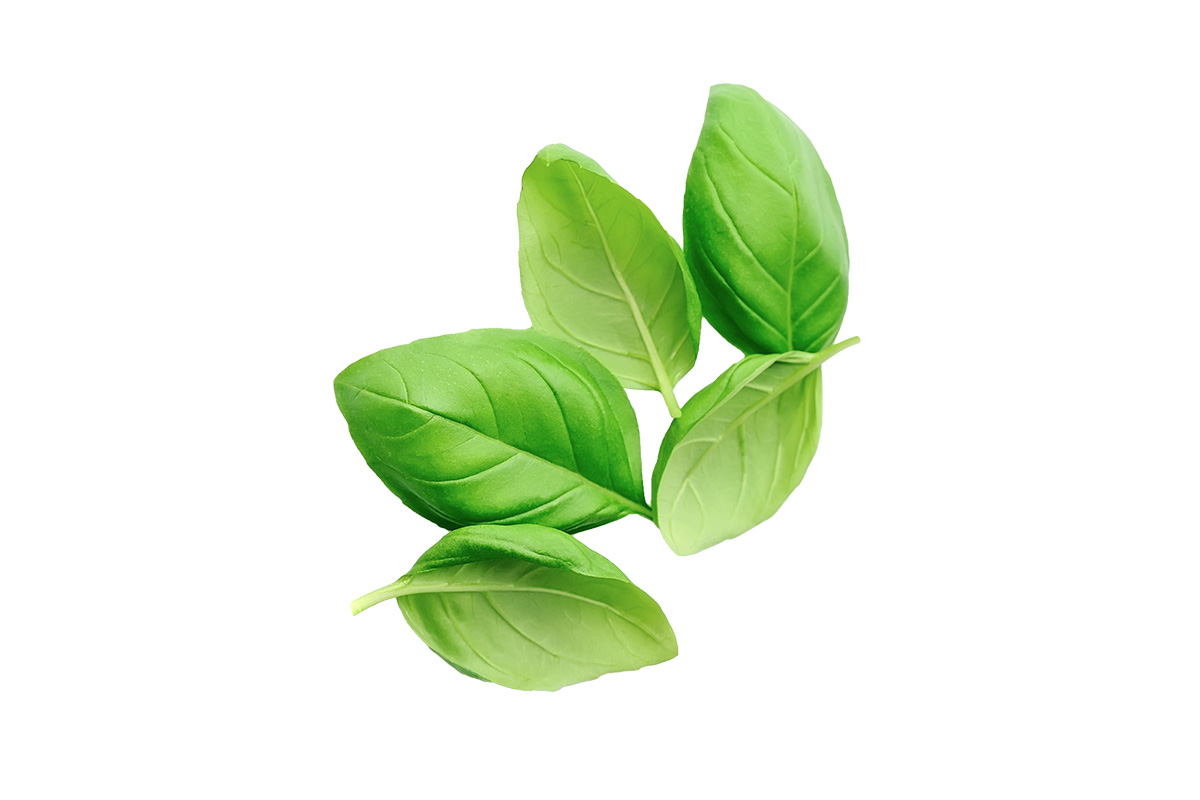
Alongside a selection of spices, most modern pantries include a range of dried herbs but the serious chef is likely to use fresh, aromatic herbs wherever possible.
These days growing a selection of fresh herbs in the garden or in pots near the kitchen window is common. The choices are many, but let’s talk about basil, its sweet, spicy leaves a popular addition to many dishes.
It isn’t that many years ago – let’s say about 50 or so – that Kiwi newlyweds were just starting to experiment with herbs relying on tried and tested cookbooks to suggest their use.
Some readers may remember tossing freshly steamed beans with butter and dried basil, the result slightly bitter instead of the fragrant aroma expected. These days beans tossed with fresh, finely chopped basil leaves offer a very different experience.
The wonder of basil, (there are several varieties) is that it can complement vegetable, meat, pasta and fruit dishes. So versatile, it is especially known for giving Italian cooking a hit including the ever-popular pesto.
Basil is also great when combined with tomato on bruschetta or why not try it with pink salmon for a change? Those feeling really radical, may finely slice its sweet, spicy leaves over strawberries.
Easy to grow in a warm, sunny spot as an annual or sometimes a perennial, it offers vitamins K, A and C, a range of minerals plus various health advantages such as anti-inflammatory properties, digestive, and immune boosting benefits and helping to reduce stress.
If buying basil fresh from the supermarket, keep it for a week by removing the herb from its outer sleeve, trim the stem by about 3cm, place bundle in a glass of water and keep it on the bench in a bright area but away from direct sunlight. Remember to refresh water regularly.
Trimming the stem is important – it will ensure a better lasting result. If you keep basil long enough it will likely grow roots and it can be planted.
Avoid placing fresh basil in the fridge – it doesn’t like the cold and will turn brown and die. However, it does like warmth and, even on very hot days, when a kitchen can become ultra warm, basil will survive in water. It may droop slightly but it shouldn’t go floppy or brown.
From the Lamiaceae family (mints), Basil has been used in some folk medicines and traditional Chinese medicine and its essential oils have been shown to have insect-repelling properties.
It is said the ancient Egyptians and Greeks believed basil would open the gates of heaven for a person passing on whereas in Portugal, on some religious holidays, a dwarf basil bush may be presented to one’s sweetheart in a pot together with a poem and a paper carnation.
All up, basil remains a popular herb. Use it as a garnish or add to soups, salads, sauces and pasta dishes. Enjoy!